

As the summer sun heats up, preparing your RV for the season is crucial to avoid breakdowns and maximize fun. Our guide offers essential summer RV maintenance tips tailored for summer, addressing unique challenges like high temperatures and long drives. Learn how to keep your RV cool, safe, and efficient for all your summer adventures.
Get your RV summer-ready with RV Fun Center in Oceanside, California!
Our expert technicians will handle all your maintenance needs, from air conditioner tune-ups to propane system inspections. Don’t let a breakdown ruin your trip—contact us today to schedule your service.
Call/Text 24/7: 858-723-0139
Key Takeaways
- Tire maintenance is critical for summer RV travel, including checking pressure, inspecting for damage, and rotating to ensure they’re in good condition and properly inflated for temperature and altitude changes.
- Water system care is essential, involving flushing out antifreeze, sanitizing the water tank, and checking the water heater and pump to ensure fresh and safe water supply during your travels.
- Keep cool and comfortable with regular checks of the RV’s air conditioning, propane systems, batteries, electrical connections, and engine can prevent malfunctions and ensure comfort, safety, and reliability throughout the summer journey.
- Enhance safety and reliability by inspecting your RV’s propane system, batteries, and electrical connections, preventing malfunctions and ensuring a stress-free summer journey.
Checking and Preparing Your Tires for Summer Journeys
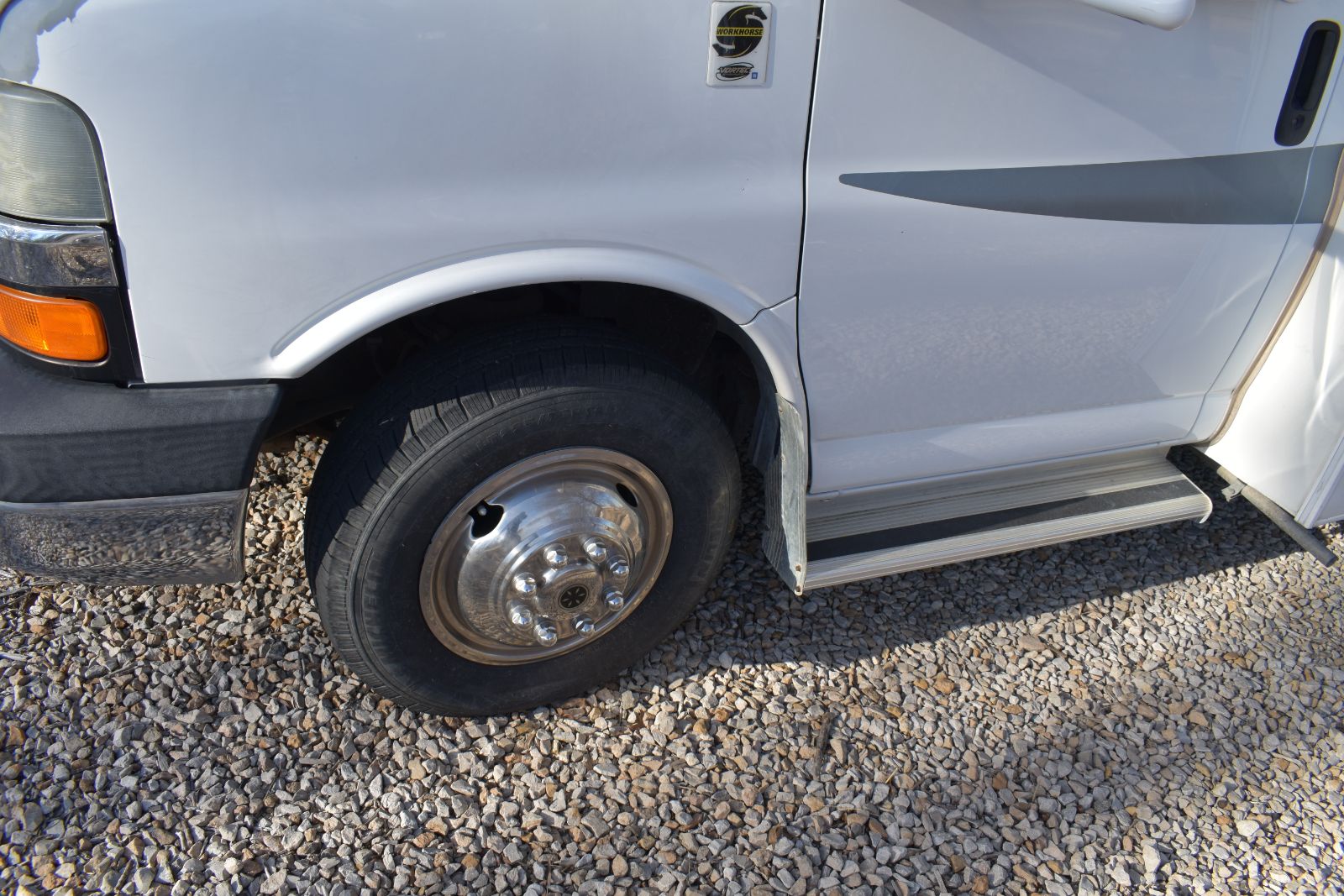
As the cornerstone of your RV’s safety, tires deserve your undivided attention before hitting the road this summer. With the sun blazing down on the asphalt, the hot weather can take a toll on your tires, which are already working hard to carry your home-on-wheels. Ensuring your tires are in top-notch condition is paramount for a worry-free camping season.
Whether you’re heading to the beach or the mountains, the following steps—assessing tire pressure, inspecting for wear and damage, and rotating your tires—will help you make your RV summer ready and keep your camper ready for all the summer months have in store.
Assess Tire Pressure
Tire pressure is the pulse of your RV’s health, changing with the caprices of temperature—about 1 PSI for every 10-degree Fahrenheit shift. To catch this ebb and flow, a digital tire gauge comes in handy, giving you a precise reading when tires are cool. Ensure they’re inflated to the manufacturer’s sweet spot, steering clear of the risks posed by both overinflation and underinflation—think vulnerability to punctures or the dread of a blowout.
Seasonal shifts or altitude changes? Adjust accordingly, as different driving conditions call for a nimble approach to tire pressure.
Inspect for Wear and Damage
Next, give your tires a thorough once-over. Are there cracks or bulges lurking on the surface? These could signal that it’s time for a replacement. Keep an eye out for any signs of wear, such as cracks in the sidewalls or treads worn down to their last leg. Ignoring these red flags could spell trouble down the road—literally.
Stay vigilant and keep your journey rolling smoothly.
Rotate Tires if Necessary
After months of hibernation during the winter, your tires might have developed uneven wear patterns. Ensure they’re rotated to distribute the wear evenly, thus extending their lifespan and keeping them fit for the summer travels. A good look at the tread depth can tell you if it’s time for a rotation.
It’s a simple but crucial step in your pre-summer RV checklist, so don’t skip it!
Managing Tire Care with the High Summer Temperatures
Summer heat can intensify the strain on your RV’s tires. To combat this, consider the following tips:
- Use tire covers when parked to protect from UV damage.
- Avoid overloading your RV, as excess weight combined with high temperatures can lead to tire blowouts.
- Drive during cooler parts of the day, such as early morning or late evening, to reduce tire stress.
Revitalizing Your RV’s Water Systems
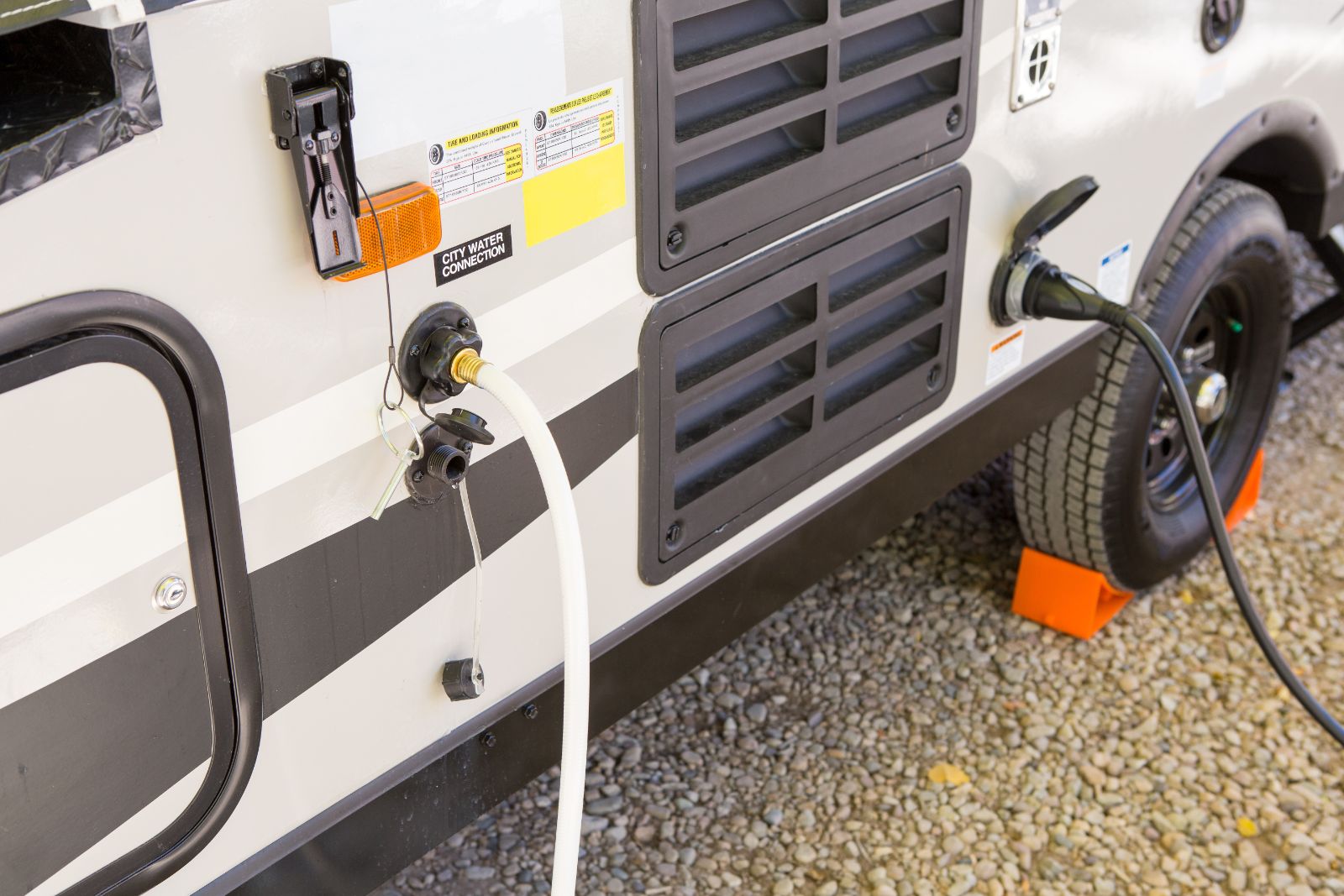
After ensuring your wheels are set for the journey, turn your attention to the lifeblood of your RV: the water systems. Nothing beats the feeling of fresh water on your skin after a day of hiking or washing dishes with water that’s crisp and clean. But to enjoy these simple pleasures, your RV’s water systems need to be in tip-top shape. This means it’s time to say goodbye to any traces of non-toxic antifreeze and hello to a sanitized water tank. And don’t forget to give some TLC to your water heater and pump.
By following these steps, you’ll get your RV serviced and summer-ready, ensuring that all your water-related RV appliances, from the fresh water tank to the water pump, are camper ready for the season.
Flush the Water System
Wave farewell to the remnants of de-winterizing as you flush the water system. Here’s how:
- Connect a garden hose or tap into the city water supply.
- Wash away the non-toxic antifreeze until the water runs as clear.
- To banish any lingering aftertaste, a touch of baking soda can work wonders. Fill up the fresh water tank with clean, distilled water, and you’re one step closer to a carefree camping trip.
Sanitize the Water Tank
Now, it’s time for a deep clean of your water tank. Here’s how to do it:
- Mix a quarter cup of liquid bleach with water to create a sanitizing solution.
- Run the solution through your tank and faucets to tackle any unwelcome bacteria or mold.
- Once the bleach has done its job, give the system a thorough rinse with fresh water to eliminate any residual solution. Remember, mixing bleach with other cleaning agents is a no-go; stick to the recipe for safety’s sake.
Check the Water Heater and Pump
The final touch for your water systems is a check-up on the water heater and pump. Here’s what you need to do:
- Set the heater’s valve to operating mode and fill it to the brim with water.
- Once powered up, watch for leaks or any signs of trouble.
- If you spot an issue, don’t fret; pull out your troubleshooting hat or consult a technician to nip any problems in the bud.
Ensuring Cool Comfort: Air Conditioner Maintenance
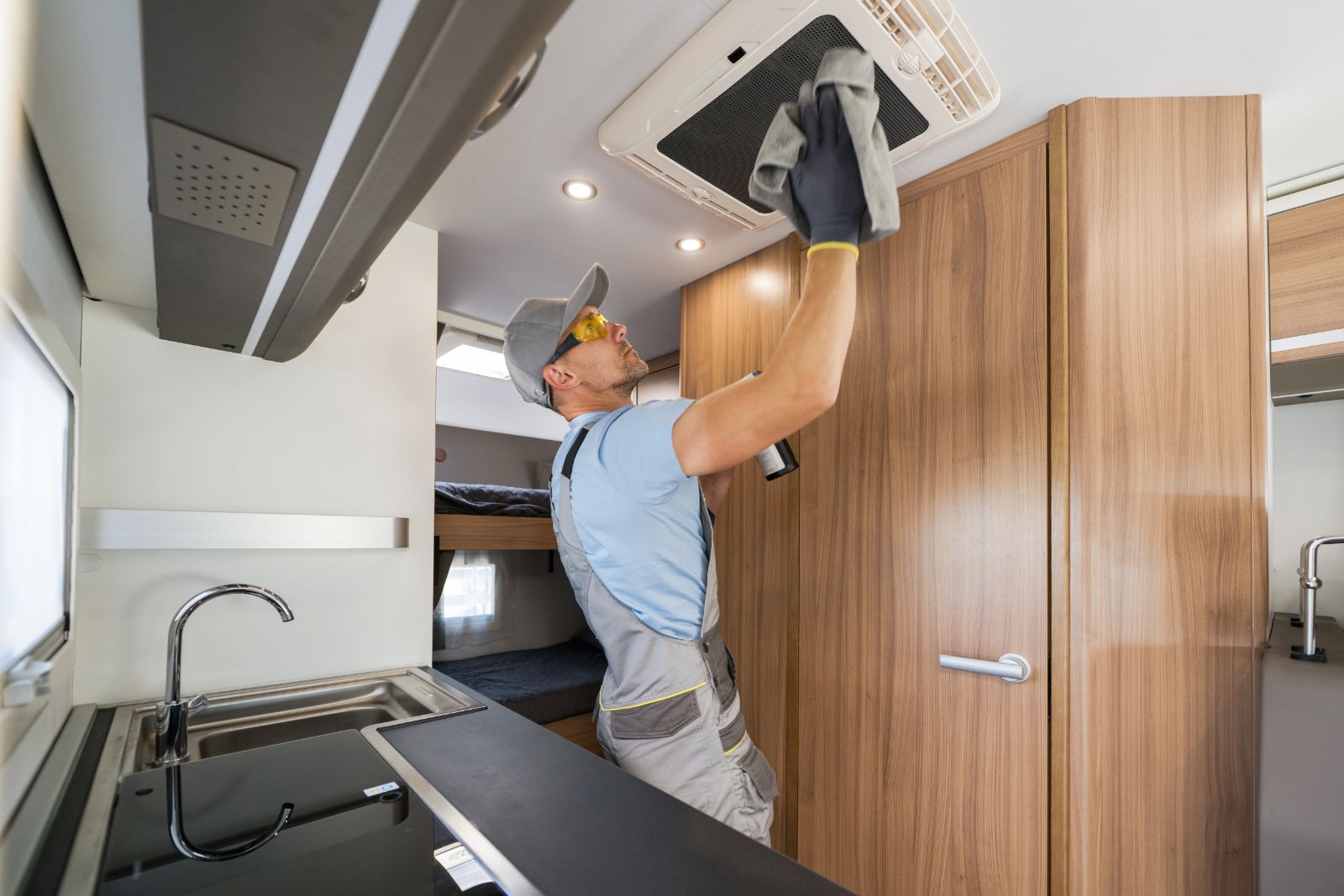
Imagine returning to your RV after a long day of summer fun, only to be greeted by a stifling interior—that’s not the cool comfort you’re looking for! To keep the heat at bay, your RV’s air conditioner needs to be in peak condition. From inspecting the AC cover to checking for water leaks and ensuring adequate power, there’s a checklist to follow.
But don’t sweat it; we’re here to guide you through cleaning or replacing air filters, checking refrigerant levels, and testing airflow and thermostat. So let’s dive in and keep those air vents blowing sweet relief all summer long.
Clean or Replace Air Filters
Your RV’s air filters are its first line of defense against dust and allergens. A clean filter not only ensures optimal cooling performance but also keeps the air you breathe fresh. Here’s how to clean your RV’s air filters:
- Get hands-on every two weeks, or monthly if you’re a casual traveler, to vacuum and wash the filters with a gentle detergent and warm water.
- Treat them with an antibacterial solution.
- Let them dry completely.
- Reinstall them for another round of pure air.
If they’re past their prime, don’t hesitate to replace them. Your lungs will thank you!
Check Refrigerant Levels
While RV air conditioners are usually sealed units without service ports, it’s crucial to be vigilant for signs that may indicate low refrigerant levels, like reduced cooling capacity or ice buildup on the coils. If you suspect your RV’s air conditioner isn’t chilling as it should, it might be time to call in the pros for a check-up.
Remember, RV air conditioners aren’t like their residential cousins and don’t typically require recharging, so if there’s a cooling issue, look for other culprits.
Test Airflow and Thermostat
Efficient airflow and an accurate thermostat are the dynamic duo of RV climate control. Check that the vents are delivering a strong breeze and that the thermostat is keeping the temperature steady. If your RV is feeling more tropical than temperate, it might be time to straighten and clean the metal fins on your air conditioner, ensuring they’re free from debris for smooth operation.
This will help you maintain a cool interior, no matter how extreme temperatures get.
Maximizing Air Conditioner Efficiency
To further enhance your RV’s cooling efficiency during hot summer days, consider these tips:
- Park in shaded areas to reduce the load on your AC.
- Use reflective sunshades on windows to block out heat.
- Ventilate the RV in the early morning and late evening to let in cooler air.
Beat the heat with RV Fun Center in Oceanside, California!
Our expert technicians will ensure your RV’s air conditioner is running at peak performance. Stay cool and comfortable on your summer adventures—contact us today to schedule your air conditioner service.
or Call/Text 24/7: 858-723-0139
Propane System Safety Check
As you bask in the warmth of the campfire, rest assured that your RV’s propane system is safe and sound after a thorough check. Inspecting propane tanks and hoses, testing appliances, and reviewing safety devices are critical steps to prevent any unexpected flare-ups. With propane powering everything from your stove to your water heater, it’s essential to ensure all components are operating smoothly.
So let’s take a closer look at how to maintain your propane system, keeping your camping trip both cozy and secure.
Inspect Propane Tanks and Hoses
Begin your propane safety check by inspecting the tanks. Look for leaks, corrosion, and check the expiration date to ensure everything is up to par. Remember, in the U.S., propane tanks are good for 12 years from the manufacture date, with the option for a five-year recertification if they pass inspection.
If the tanks, including the fuel tank and propane tanks, are sound, securely mount and connect them, and test for leaks with soapy water. With your propane tanks in check, you can cook, heat, and power your RV with peace of mind.
Test Propane Appliances
Next, turn your attention to the appliances that make your RV feel like home. From the stove to the refrigerator and water heater, ensure each propane-powered device fires up and functions as intended. It’s all about readiness for use—no one wants a cold shower or a malfunctioning fridge when the hunger pangs strike!
Testing these appliances is not only about comfort but also about safety, so take the time to do it right.
Review Safety Devices
The final step in your propane system safety check involves the silent guardians of your RV—the smoke and carbon monoxide detectors, along with the fire extinguisher. Test each device, replace batteries if necessary, and ensure the fire extinguisher’s needle is firmly in the green zone. These may seem like small details, but they’re your first line of defense in an emergency, so keep them in top condition.
Battery Care and Electrical System Checks
Powering up your RV for the summertime adventures means giving some extra love to the batteries and electrical systems. Keeping the lights on and the appliances running smoothly hinges on well-maintained batteries and stable connections.
So, whether you’re charging up for the first time after a long winter or just topping off before your trip, follow these guidelines to ensure your RV’s electrical heart beats strong all summer long.
Charge and Maintain Batteries
First off, check your RV battery’s vitals with a voltmeter—make sure it’s fully charged and ready to go. Regular maintenance is key; keep those plates submerged in water and the terminals free from corrosion. Always refer to your RV’s manual for detailed instructions on caring for your RV battery—this isn’t a one-size-fits-all situation.
With your RV batteries charged and maintained, you’re one step closer to a stress-free escape.
Verify Electrical Connections
Next up, let’s talk about staying connected—electrically speaking. Before you plug into that campground power source, grab your toolkit. Check the polarity and voltage with an analog voltage tester and an outlet tester to ensure your RV’s safety. These tools can diagnose power issues that might otherwise go unnoticed.
And don’t forget to periodically test the outlets inside your RV too; stable power means a stable vacation.
Test All Appliances in Electric Mode
With your RV’s heart beating and its veins pulsing with power, it’s time to test all your appliances in electric mode. From the essential refrigerator to the convenient microwave, switch each one on to ensure they’re functioning as expected. If you encounter any hiccups, addressing them now will save you headaches later.
After all, nobody wants their ice cream melting or their coffee cold on the first day of the trip.
Pre-Trip Engine and Generator Inspection
Before you’re officially road-ready, there’s one more area that demands your attention—the heart of your RV, the engine, and its trusty sidekick, the generator. The engine and generator are essential for a smooth ride and reliable power, so let’s ensure they’re both in fine fettle.
Checking fluid levels, listening for any unusual sounds, and inspecting belts and hoses will set you up for a successful summer voyage, free from mechanical issues.
Check Fluid Levels
Diving under the hood, start with the lifeblood of your RV’s engine—the various fluids. From engine oil to coolant and brake fluid, each plays a pivotal role in your vehicle’s performance and safety. Your RV’s manual is your best friend here, guiding you to the specific types of fluids your vehicle needs.
Don’t let low coolant levels or oil leaks spoil your fun; top off as needed and keep everything running cool and smooth.
Listen for Unusual Sounds
Now, let’s lend an ear to your engine and generator. Fire them up and listen closely—any unusual noises could be a warning of potential issues. These sounds are your first hint that something might be amiss, and catching them early could save you from trouble down the road.
If your RV’s heart is making strange noises, it’s time for a deeper investigation or a professional’s touch.
Examine Belts and Hoses
Finally, inspect the belts and hoses—they’re the unsung heroes that keep everything connected and running smoothly. Check for flexibility, cracks, or signs of wear that could lead to a breakdown. Pay attention to the hoses for leaks, especially around the clamps, and replace any that have seen better days. Belts should be free from damage and correctly tensioned to prevent slipping or overheating. Remember, a well-maintained engine leads to a stress-free journey.
Refreshing Your RV’s Living Quarters

With the mechanics in check, let’s shift our focus to creating a cozy and inviting home away from home. After all, your RV’s living quarters are where you’ll unwind after a day of exploration. Cleaning and organizing the space not only makes for a pleasant environment but also helps to ensure everything is in working order.
From the floors to the ceilings, every nook and cranny deserves attention to make your mobile abode a clean, organized, and welcoming retreat for the summer.
Deep Clean Interior Surfaces
Start your cleaning spree from the top down. Here’s a step-by-step guide:
- Dust off the cobwebs
- Wipe down the walls
- Scrub the floors
- Take down those vent covers and window screens then give them a good wash.
- Let the fresh air flow in.
- Don’t forget the refrigerator—it’s not just for keeping your drinks cool; it needs a good defrosting and sanitizing too.
A clean RV is a happy RV, so take the time to make your living space sparkle.
Organize Storage Spaces
Once everything is squeaky clean, it’s time to tackle storage. Utilize vertical space with innovative solutions like pegboards and hanging racks to keep your belongings organized and accessible. Drawer organizers and tension rods can transform chaotic drawers and closets into models of efficiency. Embrace collapsible items for those occasional needs without taking up precious space.
A well-organized RV is like a well-packed suitcase—it makes for a more enjoyable trip.
Prepare Bedding and Upholstery
Finally, freshen up your bedding and upholstery. They’ve been lying dormant, collecting dust and allergens, so a thorough wash is in order. Clean linens and dust-free furniture will help ensure restful nights and comfortable days as you travel.
After all, your RV is not just a vehicle; it’s your home on the road.
Final Touches Before You Hit the Road
You’re almost ready to hit the road for your first camping trip, but before you do, there are a few final touches that can make a big difference. Securing loose items, updating emergency supplies, and reviewing your documentation ensures that your first trip after the long winter is smooth and enjoyable. These last-minute checks are the keys to a successful and rv ready summer adventure.
Secure Loose Items
Before you set off, walk through your RV and secure anything that might shift during travel. Use museum wax or earthquake putty for fragile items, and Velcro strips for baskets and pictures.
Double-check that all cabinets, including the refrigerator and closets, are securely closed to avoid any surprises en route. This attention to detail will help keep your belongings safe and sound.
Update Emergency Supplies
Your emergency supplies are your safety net. Here are some tasks to ensure they are ready for action:
- Check the expiration date on your fire extinguisher, give it a shake and a tap to ensure it’s ready for action
- Restock your first-aid kit with summer essentials like antihistamines and extra water
- Add survival tools specific to summer travel
- If your extinguisher is past its prime, replace it without delay.
Review Owner’s Manual
Last but not least, take a moment to leaf through your RV’s owner’s manual. It’s filled with manufacturer-specific maintenance tips and troubleshooting advice that can be invaluable on the road. Familiarize yourself with any unique features or systems that require special attention and update yourself on seasonal maintenance requirements.
Keeping the manual handy can save you time and trouble, ensuring a smooth and enjoyable summer season adventure.
Summary
Now that you’ve followed this step-by-step guide, your RV is summer-ready, and so are you. From tires to the rooftop, inside and out, you’ve prepared your rolling sanctuary for the adventures ahead. Embrace the season with confidence, knowing that your proactive maintenance not only ensures the longevity of your RV but also contributes to a stress-free, enjoyable summer filled with exploration and relaxation. So go ahead, chart your course, and set off into the sun—adventure awaits!
Keep Your RV Running Smoothly This Summer with RV Fun Center!
Frequently Asked Questions
How often should I check my RV tire pressure during the summer?
You should check your RV tire pressure regularly during the summer, especially when the tires are cool, as temperature fluctuations can affect pressure levels.
Do I need to sanitize my RV’s water system if I didn’t use antifreeze?
Yes, it’s still recommended to sanitize your RV’s water system to ensure that your water is clean and safe for use, even if you didn’t use antifreeze.
Can I recharge my RV air conditioner if it’s not cooling properly?
No, you can’t recharge your RV air conditioner if it’s not cooling properly. It’s best to consult a professional for servicing instead.
How do I know if my RV’s propane tanks need to be recertified?
You can know if your RV’s propane tanks need recertification by checking the manufacture date on the tank’s collar. If it’s been 12 years or more, it’s time for recertification. Also, look for a recertification date to see if it’s still valid.
What should I do if I hear unusual noises from my RV’s engine or generator?
It’s important to perform a thorough inspection or consult a technician if you hear unusual noises from your RV’s engine or generator to diagnose and fix any potential problems. Ignoring these noises could lead to more significant issues down the line.

Leave A Comment